
Guide To Downpipes: The Intermediate Guide For Downpipes
페이지 정보
작성자 Jackson 작성일 26-05-13 05:31 조회 6 댓글 0본문
Understanding Downpipes: An Essential Component of Rainwater Management
Downpipes, frequently eclipsed by other components of a building's structure, play an important function in efficient rainwater management. They serve as the vertical channels that carry rainwater from the roof to the ground or drainage systems, making sure that water flows away from the structure of a building. This blog post will look into the importance of downpipes, their products, installation, maintenance, and answers to frequently asked questions.
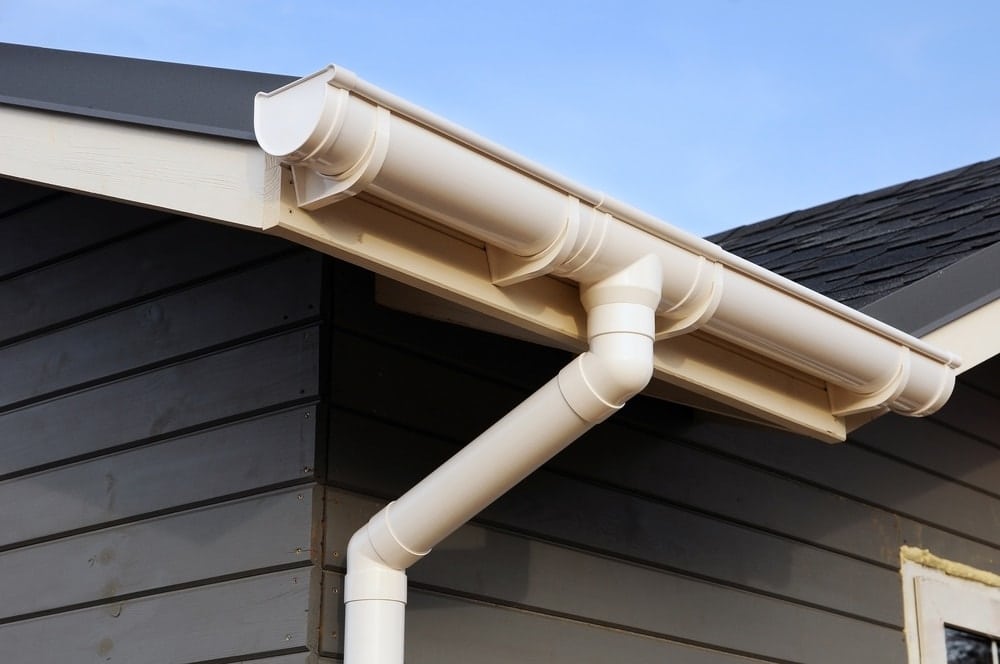
What are Downpipes?
Downpipes, also called downspouts, are vertical pipes attached to the gutters of a building. They gather rainwater that drains pipes from the roof and direct it to the ground or into a drainage system. By handling the flow of rainwater away from the structure, downpipes assistance avoid water damage, erosion, and other related problems.
Why are Downpipes Important?
The importance of downpipes can not be overemphasized. Here are some important reasons downpipes are essential:
Prevention of Water Damage: By directing rainwater far from the foundation, downpipes lessen the threat of flooding and water-related damage, which can lead to expensive repairs.
Disintegration Control: Downpipes assist prevent soil disintegration around the building's foundation, especially in locations with considerable rainfall.
Maintenance of Aesthetic Appeal: Properly set up and operating downpipes ensure that rainwater is managed discreetly, which adds to the total aesthetic of a building.
Protection of Landscaping: By controlling the circulation of rainwater, downpipes assistance keep the integrity of landscaping functions around the property.
Types of Downpipes
Downpipes are offered in numerous materials and designs. The option of downpipe often depends upon the structure's architecture, the local climate, and budget considerations.
| Type | Material | Benefits | Downsides |
|---|---|---|---|
| Standard | PVC | Light-weight, durable, and easy to set up | Can end up being breakable over time due to UV direct exposure |
| Metal | Aluminum/Copper | Long-lasting, stylish appearance | Higher cost, potential for deterioration |
| Flexible | Rubber/Plastic | Easy to install in tight spaces | Less durable compared to stiff choices |
| Ornamental | Cast Iron/Steel | Offers visual appeal, can match building style | Heavier, can rust without appropriate maintenance |
Installation of Downpipes
Installing downpipes needs cautious factor to consider to guarantee effectiveness in rainwater management. Below is a list of essential steps in the installation process:
Planning and Measurement: Measure the roof location to figure out the variety of downpipes needed based upon rains intensity and roof pitch.
Selecting the Right Materials: Choose suitable products based upon the building's aesthetic and weather conditions.
Positioning: Identify tactical areas for downpipes that will effectively bring water away from the foundation.
Connecting to Gutters: Secure the downpipes to the gutters, guaranteeing a tight connection to avoid leakages.
Connecting to Drainage: Extend the downpipes to a designated drainage location or system, making sure that water is sufficiently carried away from the building.
Sealing Joints: Use suitable sealants to prevent leaks at joints and connections.
Maintenance of Downpipes
To ensure that downpipes work effectively, routine maintenance is essential. Here are some maintenance pointers:
Regular Inspections: Check downpipes seasonally for blockages or damages brought on by debris, climate condition, or wildlife.
Cleaning: Clear leaves, dirt, and other debris from downpipes and gutters to guarantee undisturbed flow.
Looking for Leaks: Inspect joints and fittings for leaks, specifically after heavy rainfall.
Ensuring Proper Alignment: Ensure that downpipes are aligned appropriately so that water flows efficiently without pooling.
Frequently asked questions about Downpipes
1. How often should I inspect my downpipes?
It is recommended to check downpipes a minimum of two times a year, preferably throughout spring and fall, to look for clogs and possible damages.
2. Can I install downpipes myself?
While DIY Guttering Installation is possible, it requires some technical knowledge. It's advisable to work with professionals for optimal installation to prevent potential problems.
3. What size downpipe do I require?
The size of the downpipe will depend on your roof size, expected rainfall, and local structure policies. Usually, a 90mm or 100mm diameter downpipe suffices for a lot of domestic structures.
4. How can I avoid obstructions in my Downpipes (Check Out Communecter)?
Routine cleaning and setting up mesh guards over the gutters can assist avoid leaves and particles from entering downpipes.
5. What are the signs of a malfunctioning downpipe?
Typical indications include overflowing gutters, water pooling around the foundation, and noticeable damage or leakages in the downpipe itself.
Downpipes are an essential element for reliable rainwater management in constructing structures. Their primary function of directing rainwater away from the foundation ensures long-lasting structural stability and secures versus water-related damages. With appropriate installation and maintenance, downpipes can serve their purpose effectively while enhancing the aesthetic appeal of a Residential Gutters or commercial property. Whether you're building a new structure or maintaining an existing one, guttering repairs comprehending and managing downpipes is crucial for protecting your investment.
댓글목록 0
등록된 댓글이 없습니다.


