
London's Black Gold Rush: The Capital's Growing Obsession with Périgor…
페이지 정보
작성자 Tanesha 작성일 26-05-06 00:11 조회 79 댓글 0본문
"Corporate buyers are fencing off areas, hiring guards," said Lucia Rossi, a forager from Norcia. "For us, truffles were a way to survive. Now, they’re a commodity." Meanwhile, in Morocco and Serbia, where truffle harvesting is less regulated, environmentalists warn of overexploitation and habitat damage.
Behind the soaring prices lies a quieter story of socioeconomic strain. In traditional truffle regions, aging foragers struggle to pass knowledge to younger generations, while rising land prices displace local communities. In Italy’s Umbria region, forests once freely foraged are now leased to commercial hunters, squeezing out families who’ve harvested truffles for centuries.
Processed Truffle Products
Truffle slices, minced truffle, and carpaccio are convenient for garnishing. Truffle butter, oil, salt, and sauce (like tartufata) add depth to dishes. Truffle honey is a unique sweet-savory condimen
Online Sales: E-commerce platforms now offer fresh truffles with overnight delivery, catering to home cooks. Prices vary widely:
- White truffles: €3,000–€8,000/kg
- Black truffles: €800–€2,500/kg
- Summer truffles: €200–€500/kg
Climate change threatens wild truffle habitats, prompting investments in Tuber magnatum cultivation. Meanwhile, counterfeit products—such as low-grade truffles mislabeled as premium varieties—remain a concern.
Fresh truffle prices fluctuate seasonally and regionally. For example, Tuber magnatum from Italy’s Alba region peaks during autumn auctions, while French Périgord truffles dominate winter markets. Wholesale buyers often source directly from foragers or specialized platforms like truffle wholesalers or auctions. Dried, frozen, or preserved truffles (e.g., minced black truffle in olive oil or truffle carpaccio) cater to year-round demand, with frozen white truffles retaining 70–80% of their aroma if stored at -18°C.
Faced with wild truffle scarcity, farmers and scientists are doubling down on cultivation. Truffle orchards, where trees are inoculated with truffle spores, now account for 25% of global production, up from 10% a decade ago. Spain has emerged as a leader in this sector, with regions like Aragón and Catalonia producing commercial quantities of black truffles. Australia and the U.S. Pacific Northwest are also experimenting with inoculated orchards, though yields remain inconsistent.
Conclusion
From the rare Alba white truffle to the versatile summer truffle, these fungi offer unparalleled culinary experiences. Whether buying fresh truffles online, experimenting with truffle butter, or training a truffle-hunting dog, the world of truffles is as diverse as it is deliciou
Dogs’ keen sense of smell makes them ideal truffle hunters. Truffle dog training kits incorporate scent oils (e.g., Tuber melanosporum aroma) to teach canines to locate buried fungi. Ethical trainers emphasize using food-grade truffle oil for dogs without harmful additives. While truffles themselves are non-toxic, moderation is key—excessive consumption may cause digestive upset.
The truffle trade’s opacity and fragmented supply chain have exacerbated pricing pressures. Truffles are highly perishable, often requiring expedited air freight to maintain freshness, a process complicated by post-pandemic shipping bottlenecks and rising fuel costs. Additionally, the industry’s reliance on small-scale foragers and middlemen has led to inconsistencies in quality and availability.
Wholesale Growth: Distributors are sourcing directly from European hunters, reducing middlemen costs.
Truffle Hunting Dogs: Demand for trained Lagotto Romagnolo dogs is rising, with kits (scent oils, training guides) now sold online.
"Cultivation is the future," asserted Dr. Elena Moretti, a mycologist at the University of Bologna. "With climate-smart techniques—like optimized irrigation and soil monitoring—we can stabilize supply." However, critics argue that farmed truffles lack the complexity of wild ones, and success requires decades of patience. "It’s a high-risk, high-reward gamble," said Greg Simmons, an Oregon truffle farmer. "You might wait 15 years for a harvest, and even then, there’s no guarantee."
London's culinary landscape is experiencing a distinct, earthy, and profoundly luxurious transformation. The intoxicating aroma of black Périgord truffles (Tuber melanosporum), often hailed as the "black diamond" of the gastronomic world, is permeating the city’s finest restaurants, exclusive food halls, and even ambitious home kitchens like never before. Once a rare delicacy confined to elite European tables, London has firmly established itself as a global epicentre for the appreciation and trade of this coveted fungus, fuelled by discerning palates, innovative chefs, and a sophisticated supply chain.
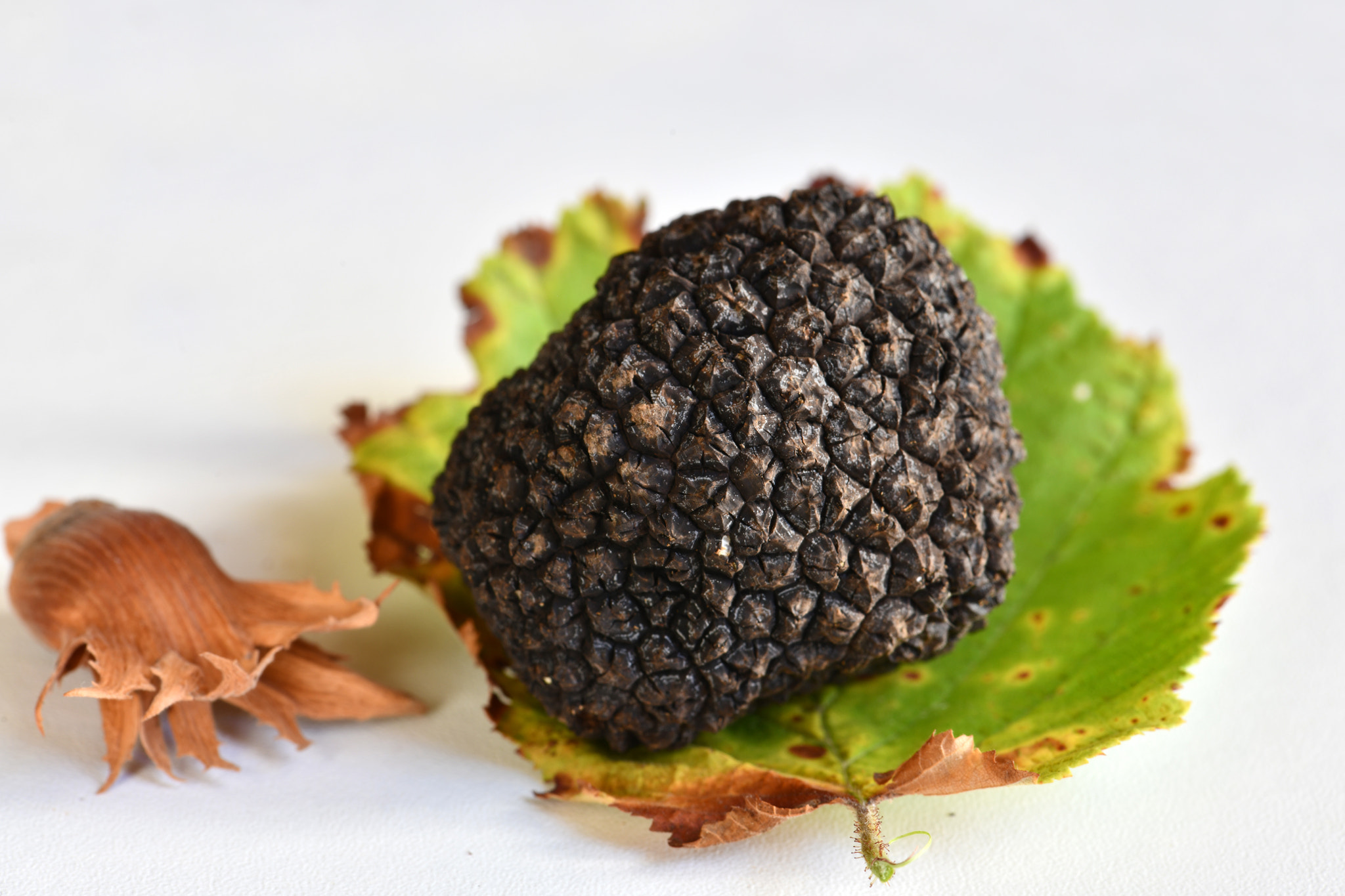 The most sought-after species include Tuber magnatum (white Alba Perigord truffle), Tuber melanosporum (black Périgord truffle), and Tuber aestivum (summer truffle). Tuber magnatum, often called the "white gold" of Piedmont, Italy, commands prices upwards of $3,000–$5,000 per kilogram due to its limited harvest window and delicate flavor. Tuber melanosporum, harvested in winter, averages $800–$1,500/kg, while summer truffles (Tuber aestivum) are more affordable at $200–$400/kg. Lesser-known types like Tuber brumale and Tuber borchii offer budget-friendly alternatives, though their aromas are milder.
Behind the soaring prices lies a quieter story of socioeconomic strain. In traditional truffle regions, aging foragers struggle to pass knowledge to younger generations, while rising land prices displace local communities. In Italy’s Umbria region, forests once freely foraged are now leased to commercial hunters, squeezing out families who’ve harvested truffles for centuries.
Processed Truffle Products
Truffle slices, minced truffle, and carpaccio are convenient for garnishing. Truffle butter, oil, salt, and sauce (like tartufata) add depth to dishes. Truffle honey is a unique sweet-savory condimen
Online Sales: E-commerce platforms now offer fresh truffles with overnight delivery, catering to home cooks. Prices vary widely:
- White truffles: €3,000–€8,000/kg
- Black truffles: €800–€2,500/kg
- Summer truffles: €200–€500/kg
Climate change threatens wild truffle habitats, prompting investments in Tuber magnatum cultivation. Meanwhile, counterfeit products—such as low-grade truffles mislabeled as premium varieties—remain a concern.
Fresh truffle prices fluctuate seasonally and regionally. For example, Tuber magnatum from Italy’s Alba region peaks during autumn auctions, while French Périgord truffles dominate winter markets. Wholesale buyers often source directly from foragers or specialized platforms like truffle wholesalers or auctions. Dried, frozen, or preserved truffles (e.g., minced black truffle in olive oil or truffle carpaccio) cater to year-round demand, with frozen white truffles retaining 70–80% of their aroma if stored at -18°C.
Faced with wild truffle scarcity, farmers and scientists are doubling down on cultivation. Truffle orchards, where trees are inoculated with truffle spores, now account for 25% of global production, up from 10% a decade ago. Spain has emerged as a leader in this sector, with regions like Aragón and Catalonia producing commercial quantities of black truffles. Australia and the U.S. Pacific Northwest are also experimenting with inoculated orchards, though yields remain inconsistent.
Conclusion
From the rare Alba white truffle to the versatile summer truffle, these fungi offer unparalleled culinary experiences. Whether buying fresh truffles online, experimenting with truffle butter, or training a truffle-hunting dog, the world of truffles is as diverse as it is deliciou
Dogs’ keen sense of smell makes them ideal truffle hunters. Truffle dog training kits incorporate scent oils (e.g., Tuber melanosporum aroma) to teach canines to locate buried fungi. Ethical trainers emphasize using food-grade truffle oil for dogs without harmful additives. While truffles themselves are non-toxic, moderation is key—excessive consumption may cause digestive upset.
The truffle trade’s opacity and fragmented supply chain have exacerbated pricing pressures. Truffles are highly perishable, often requiring expedited air freight to maintain freshness, a process complicated by post-pandemic shipping bottlenecks and rising fuel costs. Additionally, the industry’s reliance on small-scale foragers and middlemen has led to inconsistencies in quality and availability.
Wholesale Growth: Distributors are sourcing directly from European hunters, reducing middlemen costs.
Truffle Hunting Dogs: Demand for trained Lagotto Romagnolo dogs is rising, with kits (scent oils, training guides) now sold online.
"Cultivation is the future," asserted Dr. Elena Moretti, a mycologist at the University of Bologna. "With climate-smart techniques—like optimized irrigation and soil monitoring—we can stabilize supply." However, critics argue that farmed truffles lack the complexity of wild ones, and success requires decades of patience. "It’s a high-risk, high-reward gamble," said Greg Simmons, an Oregon truffle farmer. "You might wait 15 years for a harvest, and even then, there’s no guarantee."
London's culinary landscape is experiencing a distinct, earthy, and profoundly luxurious transformation. The intoxicating aroma of black Périgord truffles (Tuber melanosporum), often hailed as the "black diamond" of the gastronomic world, is permeating the city’s finest restaurants, exclusive food halls, and even ambitious home kitchens like never before. Once a rare delicacy confined to elite European tables, London has firmly established itself as a global epicentre for the appreciation and trade of this coveted fungus, fuelled by discerning palates, innovative chefs, and a sophisticated supply chain.
The most sought-after species include Tuber magnatum (white Alba Perigord truffle), Tuber melanosporum (black Périgord truffle), and Tuber aestivum (summer truffle). Tuber magnatum, often called the "white gold" of Piedmont, Italy, commands prices upwards of $3,000–$5,000 per kilogram due to its limited harvest window and delicate flavor. Tuber melanosporum, harvested in winter, averages $800–$1,500/kg, while summer truffles (Tuber aestivum) are more affordable at $200–$400/kg. Lesser-known types like Tuber brumale and Tuber borchii offer budget-friendly alternatives, though their aromas are milder.- 이전글 You'll Never Guess This Original IELTS Certificate For Sale's Secrets
- 다음글 The 10 Most Scariest Things About Car Key Programming Near Me
댓글목록 0
등록된 댓글이 없습니다.


