
Celebrating Baltic Sea Produce in Innovative Ways
페이지 정보
작성자 Patsy Edgerton 작성일 26-02-10 00:54 조회 31 댓글 0본문
The Baltic Sea is more than just a body of water—it is a rich reservoir of time-honored coastal harvests that has inspired the culinary heritage of Sweden, Finland, Estonia, Latvia, Lithuania, Poland, Germany, and Denmark for centuries. From the briny sweetness of herring to the subtle richness of Baltic cod, from wild berries thriving along its shores to cool-climate greens that flourish in its temperate, wind-swept margins, the sea and its fringe ecosystems offer a culinary legacy that deserves to be honored in daring new forms.
In recent years, local cooks and foragers across the entire Baltic rim have begun to reimagine Baltic produce with cultural reverence. Instead of merely salting and aging herring for storage, they are fermenting herring with local juniper and dill, turning it into a flavor-packed spread that enhances dense grains and fermented dairy. Baltic cod is being dry-aged with coastal minerals and wood-fire smoke, then arranged delicately atop a tart sea buckthorn espuma, emphasizing the wild acidity of the region’s native fruits.
Even the once-overlooked marine plant is now being harvested sustainably and transformed into snacks, salts, and savory flavor boosters. Coastal communities are rediscovering forgotten methods of fermenting and pulverizing seaweed to create a mineral-rich salt substitute that adds complexity without salt.
The woodlands and inland waters near the Baltic coast are also yielding distinctive wild botanicals. Northern wild fruits and fungi are being turned into unexpected forms—cloudberry gelato infused with aquavit, fermented lingonberry acid for savory sauces, and dried mushroom dust for umami richness. Even the inner bark of the white birch is being tapped for syrup, offering a delicate tree-derived richness that complements both sweet and teletorni restoran savory applications.
What makes these innovations so compelling is their deep, unbroken connection to place. These are not just new recipes; they are stories told through flavor honoring the cold waters, the long winters, and the fortitude of coastal communities who live by the sea. Sustainability is not a trend here—it is a cultural imperative. Harvesting practices are community governed, seasonal windows are honored, and every part of an ingredient is repurposed to eliminate loss.
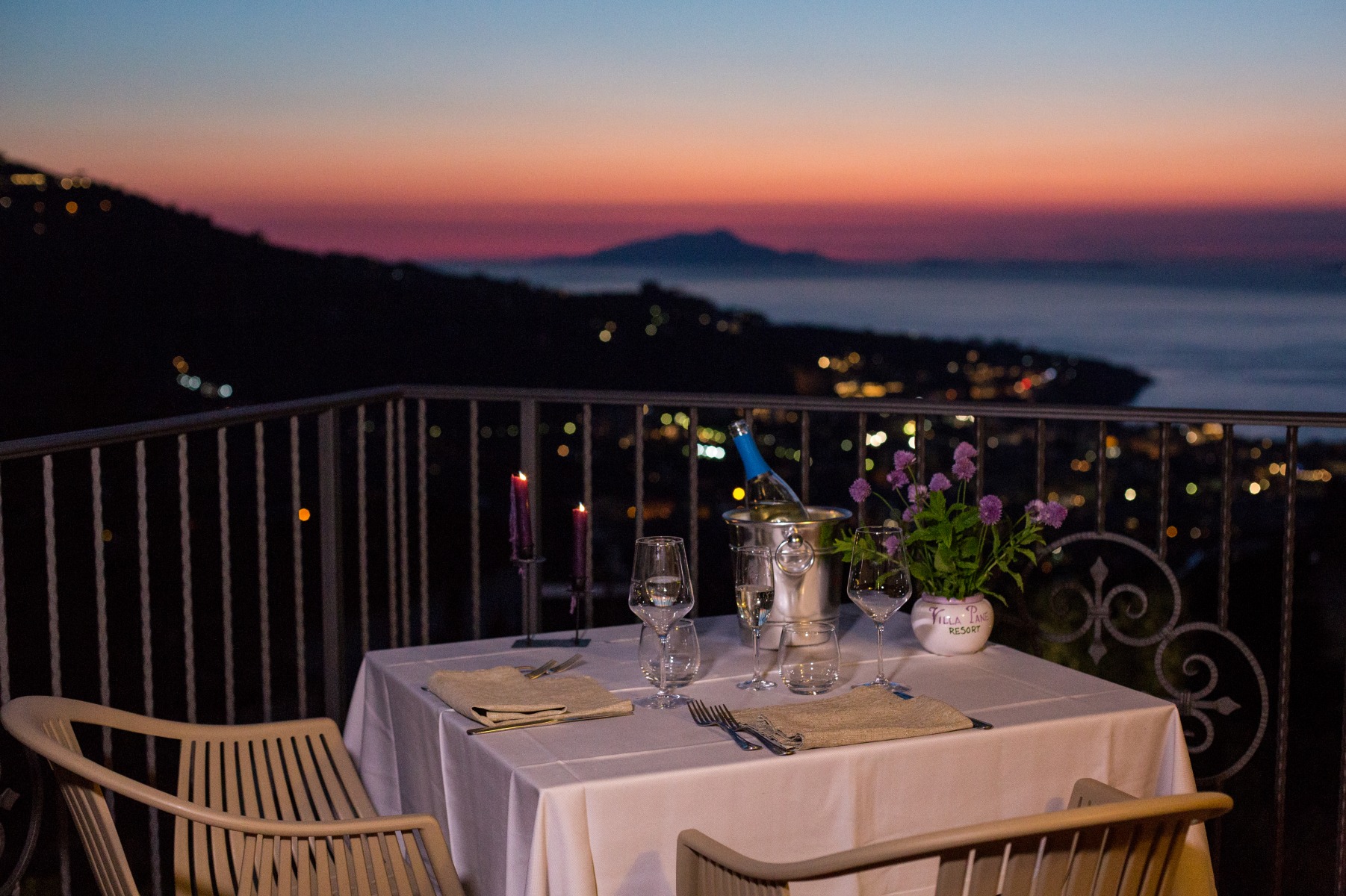
Restaurants from the archipelagos of the Swedish coast to the shores of the Curonian Spit are now drawing international attention not for far-flung ingredients, but for their artful reinventions of what is naturally found close at hand. Food festivals have sprung up celebrating Baltic produce, where visitors can taste smoked eel with fermented beetroot puree or sample a sweet porridge glazed with birch sap and crowned with fragmented forest berries.
The future of Baltic Sea cuisine is not about flashy techniques or global commodities. It is about heeding the rhythms of nature, respecting their seasons, and letting them guide the kitchen. By celebrating these ingredients in innovative ways, we are not just eating better—we are protecting a cultural and ecological heritage that has endured for generations.
- 이전글 Making One Small Bathroom Seem More Spacious
- 다음글 JM Plan Cul Toulouse, plateforme de rencontres occasionnelles
댓글목록 0
등록된 댓글이 없습니다.


