
The Science Behind Variable Laser Responses by Body Region
페이지 정보
작성자 Jefferson 작성일 26-01-30 06:45 조회 3 댓글 0본문
The effectiveness of laser therapy varies across various body regions — and multiple biological factors contribute to these differences. One major factor is skin thickness — areas like the visage, throat area, and chest have reduced dermal thickness, which allows laser energy to penetrate more easily and is selectively taken up by the intended structure. In contrast, regions such as the hands, plantar surface, and back have increased dermal density, which disperse the beam before it reaches its target, making treatments suboptimal and frequently demanding extended protocols.
Perfusion levels also significantly impact outcomes. Regions with higher blood flow, like the face, demonstrate accelerated resolution because the body enhances metabolic removal of targeted cells. By comparison, areas with lower circulation, such as the distal limbs or malleoli, may take longer to respond and are more susceptible to adverse reactions like bruising or chronic inflammation.
Follicular architecture determines treatment response. For сколько стоит эпиляция глубокого бикини example, laser hair removal on the underarms often works faster than on the inguinal area or lower extremities, because the hair follicles in the underarms are more uniform in size and depth. Conversely, coarse hair on the legs or back may have more proximal bulb locations that require higher energy settings and more treatments to achieve lasting results.
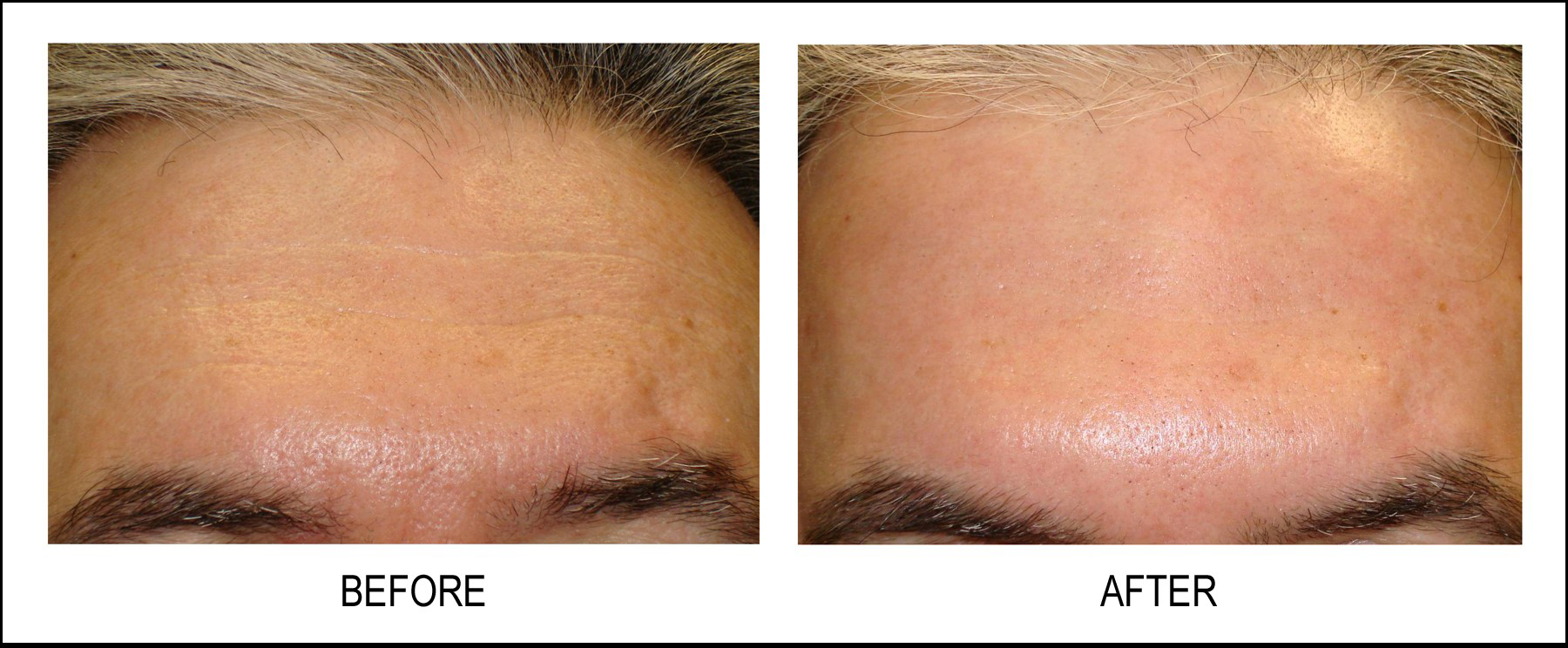
Endocrine fluctuations impact laser efficacy. Areas like the upper lip or mandibular area in females are often influenced by hormones, which can reactivate dormant follicles even after initially positive outcomes. This means those areas demand long-term follow-up compared to less hormonally active zones.
Pigment levels differ regionally. Areas that are chronically UV-exposed, like the deltoids or brachial regions, may have elevated pigment density, which can absorb excess energy intended for follicles or vessels. This elevates the likelihood of adverse events such as thermal injury or discoloration if the laser settings aren’t adjusted properly.
Finally, the natural movement and tension of the skin affect how the laser interacts with the tissue. Areas that are subject to frequent mechanical stress, like the throat or knees, experience inconsistent contact with the applicator as more immobile zones like the spinal area or quad muscles. This may compromise treatment uniformity unless technique is meticulously controlled.
Understanding these differences helps professionals tailor treatments to each area for optimal safety and effectiveness. It also manages patient perceptions, so they know why some parts of their body might need more sessions or different settings than others.
- 이전글 Jenis-Golongan Majas bersama Contoh Lengkapnya
- 다음글 AI’s Impact on Fair Representation in Professional Photography
댓글목록 0
등록된 댓글이 없습니다.


