
Acute Respiratory Distress Syndrome (ARDS)
페이지 정보
작성자 Consuelo 작성일 25-12-01 01:44 조회 13 댓글 0본문
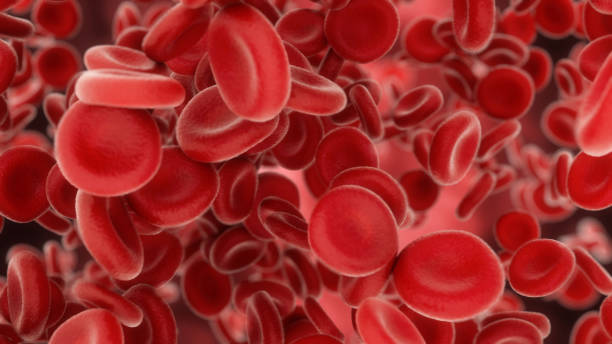 Any illness or condition that injures the lungs may cause ARDS. Greater than half of the folks with ARDS develop it as a consequence of a extreme, widespread infection (sepsis) or pneumonia. When the small air sacs (alveoli) and tiny blood vessels (capillaries) of the lungs are injured, blood and fluid leak into the spaces between the air sacs and eventually into the sacs themselves. Collapse of many alveoli (a condition called atelectasis) can also consequence due to a discount in surfactant, a liquid that coats the inside floor of the alveoli and helps to keep them open. Fluid in the alveoli and the collapse of many alveoli interfere with the movement of oxygen from inhaled air into the blood. Thus, the extent of oxygen in the blood decreases sharply. Movement of carbon dioxide from the blood to air that is exhaled is affected less, and the extent of carbon dioxide in the blood changes very little. Because respiratory failure in ARDS outcomes primarily from low ranges of oxygen, it is considered hypoxemic respiratory failure. The decrease in the level of oxygen in the blood attributable to ARDS and the leakage into the bloodstream of certain proteins (cytokines) produced by injured lung cells and white blood cells can lead to inflammation and complications in other organs. Failure of several organs (a situation known as a number of organ system failure) can also end result. Organ failure can begin quickly after the start of ARDS or days or weeks later. Additionally, individuals with ARDS are less able to fight lung infections, and so they are likely to develop bacterial pneumonia.
 Lindsay Curtis is a well being & medical author in South Florida. She labored as a communications skilled for well being nonprofits and the University of Toronto’s Faculty of Medicine and Faculty of Nursing. Hypoxia is a condition that happens when the body tissues do not get sufficient oxygen supply. The human physique depends on a steady stream of oxygen to operate correctly, and when this supply is compromised, it might significantly affect your well being. The signs of hypoxia can differ however generally include shortness of breath, confusion, dizziness, and blue lips or fingertips. Prolonged hypoxia can result in loss of consciousness, seizures, organ damage, or dying. Treatment is dependent upon the underlying trigger and will embody medicine and oxygen therapy. In extreme instances, hospitalization could also be crucial. Hypoxia is a relatively common situation that can have an effect on people of all ages, especially those who spend time at high altitudes or have lung or heart conditions. There are 4 most important forms of hypoxia: hypoxemic, hypemic, stagnant, and histotoxic.
Hypoxia varieties are labeled based mostly on the underlying trigger or the affected physiological (physique) process. Healthcare providers use this info to determine the most acceptable remedy. Hypoxemic hypoxia: Occurs when there is inadequate oxygen in the blood, and subsequently not enough oxygen reaches the body's tissues and vital organs. Hypemic (anemic) hypoxia: BloodVitals test Occurs when the blood doesn't carry sufficient amounts of oxygen due to low pink blood cells (anemia). In consequence, the physique's tissues do not receive enough oxygen to function normally. Stagnant (circulatory) hypoxia: Occurs when poor blood circulation prevents sufficient oxygen delivery to the physique's tissues. This may occasionally happen in one physique area or all through the whole body. Histotoxic hypoxia: Occurs when blood stream is normal and the blood has ample oxygen, but the physique's tissues can not use it efficiently. Hypoxia signs can differ from individual to individual and should manifest otherwise depending on the underlying trigger.
Symptoms of hypoxia can come on all of the sudden, but more typically, they're subtle, progressively developing over time. There are various causes of hypoxia, including medical situations that affect the guts or lungs, sure medications, and environmental elements. Each type of hypoxia has distinctive causes. Hypoxic hypoxia happens when there is a diminished oxygen provide to the lungs. Hypemic (anemic) hypoxia occurs when the blood can't carry sufficient quantities of oxygen to the physique tissues, often as a consequence of low numbers of crimson blood cells. Stagnant (circulatory) hypoxia happens when poor blood circulation impairs oxygen supply to tissues. Histotoxic hypoxia occurs when the blood has enough oxygen ranges, but the cells cannot successfully use oxygen. Hypoxia can happen to people of all ages, though certain danger elements can increase the chance of experiencing it. To diagnose hypoxia, your healthcare supplier will consider your medical historical past, carry out a physical examination, and order diagnostic exams. Diagnostic tests will help them assess the severity of hypoxia and establish the underlying trigger.
Pulse oximetry: A sensor is connected to the body (e.g., finger, earlobe) to measure oxygen ranges within the blood. Arterial blood fuel (ABG): A blood take a look at that measures oxygen and carbon dioxide ranges in your blood. It also measures the acid levels in your blood, BloodVitals test which may provide insight into your lung and kidney function. Chest X-ray: Provides pictures of the chest to evaluate lung well being, detect any abnormalities, or determine circumstances comparable to pneumonia or lung diseases that will contribute to hypoxia. Pulmonary operate take a look at (PFT): Evaluates lung operate, together with how nicely the lungs inhale and exhale air and how efficiently oxygen transfers into the bloodstream. Echocardiogram (ECG): Uses ultrasound waves to create photos of the center, serving to consider heart perform, identify any structural abnormalities, or determine if cardiac conditions are contributing to hypoxia. Electrocardiogram (EKG): Measures the electrical exercise of the center, aiding in the evaluation of heart fee, rhythm, and potential abnormalities. Computerized tomography (CT) scan or magnetic resonance imaging (MRI): These imaging scans present detailed pictures of the brain, chest, or other areas of the body to help determine the reason for hypoxia.
댓글목록 0
등록된 댓글이 없습니다.


