
5 Killer Quora Answers To Builtin Oven
페이지 정보
작성자 Juliann 작성일 25-12-10 07:46 조회 3 댓글 0본문
The Comprehensive Guide to Built-In Ovens: Features, Benefits, and FAQs
Built-in ovens are a popular option for modern kitchen areas, offering versatility, performance, and a sleek style that incorporates perfectly into cabinetry. This article will delve into the various elements of built-in ovens, including their functions, advantages, installation choices, upkeep ideas, and responses to frequently asked concerns.
What is a Built-In Oven?
A built-in oven is created to be installed within kitchen cabinets and is readily available in numerous setups, such as single or double ovens. Unlike freestanding integrated ovens, built-in models provide a streamlined appearance and provide more flexibility in kitchen design. They are available in electric, gas, and steam alternatives, dealing with a variety of cooking choices.
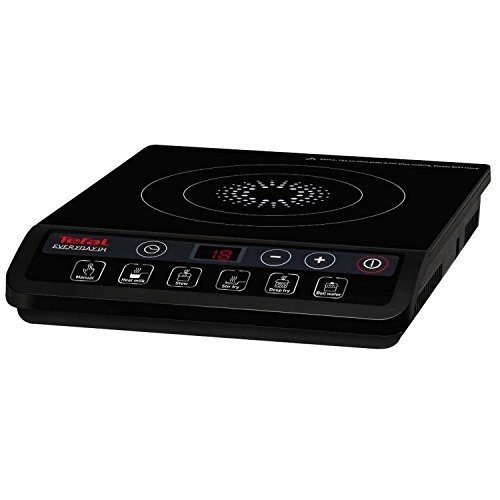
Features of Built-In Ovens
Built-in ovens are loaded with features that improve cooking experiences. Here are some of the most typical features to think about:
| Feature | Description |
|---|---|
| Self-Cleaning | Numerous designs include a self-cleaning function that burns residue at heats, streamlining maintenance. |
| Convection Cooking | This feature utilizes a fan to flow hot air, cooking food more evenly and quickly. |
| Smart Technology | Some ovens come geared up with Wi-Fi connectivity, allowing users to control the oven remotely by means of smartphone. |
| Several Cooking Modes | Include choices such as baking, broiling, roasting, and air frying, providing versatility for different meals. |
| Temperature level Probe | Monitors the internal temperature level of food, guaranteeing perfectly cooked meals whenever. |
| Smooth Design Options | Readily available in different finishes (stainless-steel, black, white) to match kitchen decoration. |
Advantages of Built-In Ovens
The installation of a built in electric cookers-in oven brings numerous advantages to any kitchen:
- Space Efficiency: Built-in ovens maximize kitchen space, offering a clean and organized appearance without sacrificing performance.
- Improved Cooking Performance: With sophisticated features like convection cooking and exact temperature level controls, built-in ovens often surpass traditional designs.
- Design Flexibility: These ovens can be set up at eye level, allowing for simple gain access to without bending down, which can be particularly useful for people with physical restrictions.
- Improved Resale Value: A well-designed kitchen with top quality built in oven and hob-in appliances might interest potential buyers, enhancing total property worth.
- Personalization Options: Many brands use adjustable styles that fit the particular measurements and aesthetic of individual cooking areas.
Installation Options
When selecting a built-in oven, understanding the installation options is essential. Here are the most common configurations:
Single Built-In Oven: Ideal for smaller sized kitchen areas, these systems provide adequate area to cook a variety of dishes concurrently, ideal for everyday cooking.
Double built in range oven-In Oven: Best fit for devoted cooks and large households, double ovens enable synchronised cooking at 2 various temperatures, ideal for meals that require different cooking methods.
Mix Steam and Oven: A hybrid service that combines the benefits of conventional baking with steam cooking. This choice is excellent for retaining moisture in foods, making it best for baking bread or roasting meats.
Upkeep Tips for Built-In Ovens
Maintaining a built-in oven is necessary for its durability and ideal performance. Here are some practical upkeep pointers:
Regular Cleaning: Use the self-cleaning function when necessary, and wipe down the outside and interior surface areas regularly to prevent grease accumulation.
Check the Seals: Inspect the oven door seals for any wear or damage to guarantee appropriate insulation and cooking efficiency.
Temperature Calibration: Occasionally test the temperature level precision using an Builtin Oven thermometer, particularly if cooking times appear longer than usual.
Ventilation: Ensure adequate ventilation around the oven to prevent getting too hot, specifically for built-in models that may be surrounded by cabinets.
Frequently Asked Questions About Built-In Ovens
1. Are built-in ovens more expensive than freestanding models?Yes, built-in ovens tend to be more pricey due to their style, installation requirements, and extra functions. Nevertheless, their advantages can justify the cost in the long run.
2. Can you set up a built-in oven yourself?While some useful people may attempt to install a built-in oven, it is recommended to employ an expert to make sure correct installation, ventilation, and safety requirements.
3. What is the typical life expectancy of a built-in oven?The normal life expectancy of a built-in oven is around 10 to 15 years, depending on use and upkeep. Regular care can help extend its longevity.
4. Are built-in ovens energy efficient?Lots of contemporary built-in ovens are created with energy performance in mind, incorporating functions like insulation and exact temperature level controls that may minimize energy usage compared to older models.
5. Can a built-in oven be fixed if it breaks?Yes, built-in ovens can typically be fixed. It is advisable to contact a licensed technician for diagnoses and repair work to guarantee safety and compliance with warranty arrangements.
Built-in ovens are an excellent addition to any modern kitchen, providing a combination of design, performance, and advanced cooking functions. With the best knowledge about their functions, advantages, and upkeep, house owners can make educated choices to improve their cooking experiences. As kitchen design patterns continue to progress, the built in range cooker-in oven stays a staple for those wanting to mix visual appeals with effectiveness in their cooking spaces.
댓글목록 0
등록된 댓글이 없습니다.


