
Five People You Should Know In The Non Electric Running Machine Indust…
페이지 정보
작성자 Kellie 작성일 25-12-11 05:01 조회 2 댓글 0본문
The Rise of Non-Electric Running Machines: A Sustainable Approach to Home Fitness
In current years, the physical fitness industry has seen a significant shift towards sustainable and energy-efficient devices. Among the variety of choices, non-electric running makers have actually sculpted out a niche on their own, attracting physical fitness lovers who value eco-friendliness, functionality, and cost-effectiveness. This article checks out the benefits of non-electric running makers, compares them with their electric equivalents, and answers often asked concerns about these ingenious physical fitness tools.
What is a Non-Electric Running Machine?
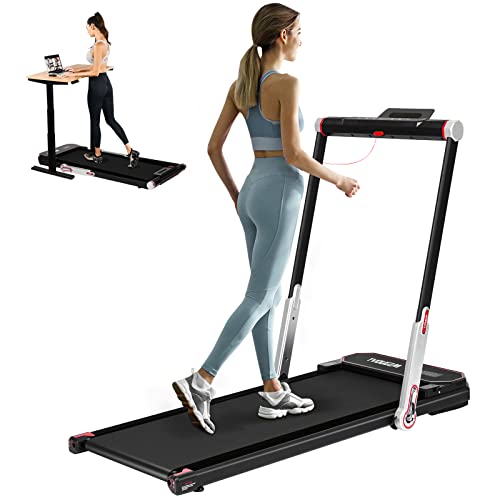
A non-electric running machine, often described as a Manual Folding Treadmill treadmill, is a piece of exercise devices that allows users to stroll or run without the need for electricity. Instead of counting on a motor, these devices use the user's own physical effort to move the running belt. This function not just makes them ecologically friendly but also motivates a more natural and interesting workout experience.
Key Features of Non-Electric Running Machines
| Feature | Description |
|---|---|
| Self-Powered | Runs without electricity; users power the Motorless Treadmill through their movements. |
| Adjustable Incline | The majority of models use incline settings to boost workout intensity. |
| Compact Design | Generally lighter and more space-efficient than electric treadmills. |
| Low Maintenance | Fewer electronic parts indicates simpler maintenance and durability. |
| Durability | Developed with robust products to stand up to intense use; typically more rugged than electric designs. |
Benefits of Non-Electric Running Machines
1. Eco-Friendly
Being self-powered, non-electric running devices do not add to carbon emissions or energy usage. For environmentally mindful consumers, this aspect lines up with a lifestyle that focuses on sustainability.
2. Affordable
Without the need for electricity, users can save money in the long run, both in terms of energy expenses and the cost of maintenance. The absence of intricate electronic devices implies less possibility of breakdown, possibly conserving on repair work.
3. Engagement and Intensity
Due to the manual nature of operation, users engage more muscles during the workout. This can result in a more extreme cardiovascular exercise, as the effort is entirely determined by the user's rate and force.
4. Versatility
Non-electric running makers are suitable for numerous workouts, from light jogging to high-intensity interval training (HIIT). In addition, many designs permit users to change the incline, which can assist target various muscle groups and enhance workout effectiveness.
5. Noise-Free Operation
Unlike electric treadmills that might have motors running, non-electric makers work quietly, making them perfect for home use where sound might be an issue.
Contrast: Non-Electric vs. Electric Running Machines
To supply a clearer understanding, the table listed below compares the main features of non-electric and electric running makers:
| Feature | Non-Electric Running Machines | Electric Running Machines |
|---|---|---|
| Source of power | Manual Treadmil (user-powered) | Electric (motor-driven) |
| Noise Level | Quiet | Can be loud due to the motor |
| Area Requirement | Frequently more compact | Can be bulkier due to the motor |
| User Control | Overall control over speed and strength | Speed and incline settings changed digitally |
| Upkeep | Low, generally mechanical checks | Higher, due to electrical parts |
| Preliminary Cost | Typically lower | Normally greater price point |
Selecting the Right Non-Electric Running Machine
When selecting a non-electric running machine, possible buyers must think about a number of factors:
댓글목록 0
등록된 댓글이 없습니다.


