
The 10 Scariest Things About Vinyl Window Repair
페이지 정보
작성자 Pearline 작성일 25-12-08 13:02 조회 2 댓글 0본문
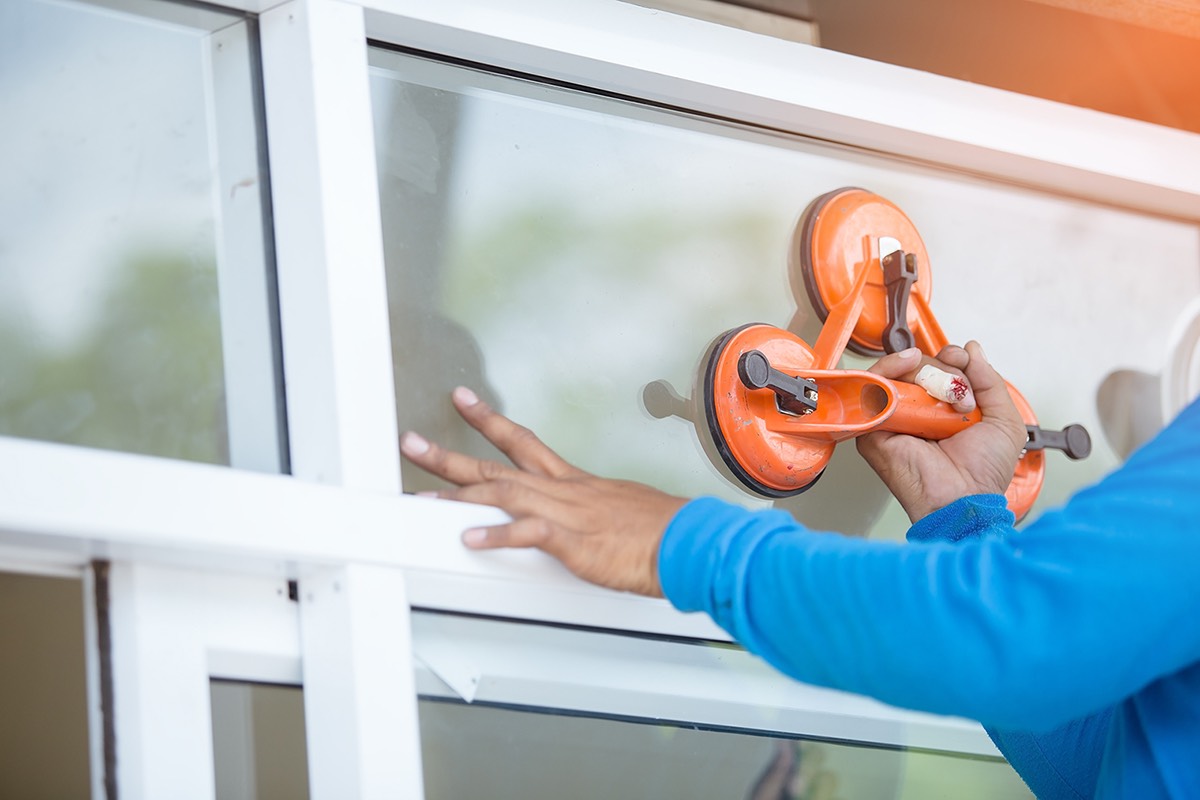
Vinyl Window Repair: A Comprehensive Guide
Vinyl windows are a popular option for homeowners due to their durability, energy performance, and low upkeep requirements. Nevertheless, like any other building product, they can establish concerns over time. Whether it's a damaged pane, a stuck sash, or a dripping frame, understanding how to repair vinyl windows can save you money and time. This article offers a detailed guide on common vinyl window scratch repair issues and the steps to fix them.
Typical Issues with Vinyl Windows
Before diving into the repair procedures, it's important to comprehend the typical problems that can develop with vinyl windows:
- Broken or Cracked Pane
- Stuck Sash
- Leaking Frame
- Harmed Insulation
- Drafts and Air Leaks
- Fogged Windows
- Run-down Seals
Tools and Materials Needed
To effectively repair vinyl windows, you will require the following tools and products:
- Screwdriver
- Utility knife
- Caulk gun and silicone caulk
- Replacement glass pane (if required)
- window scratch repair glazing compound
- Security glasses
- Gloves
- Sealant tape
- Plastic shims
- Drill with a smidgen
- Weather condition removing
Step-by-Step Repair Guide
1. Damaged or Cracked Pane
Recognizing the Issue:
- A damaged or cracked pane is frequently the outcome of impact or age. It can be a safety risk and reduce the window's energy performance.
Repair Steps:
- Safety First:
- Put on safety glasses and gloves to protect yourself from sharp edges.
- Eliminate the Broken Pane:
- Carefully eliminate the broken glass using an utility knife to pry out any staying pieces.
- Tidy the Frame:
- Use a vacuum to remove all glass fragments and debris from the frame.
- Procedure for a New Pane:
- Measure the opening exactly to make sure the new pane fits perfectly.
- Install the New Pane:
- Apply a thin layer of window glazing substance around the edges of the frame.
- Thoroughly place the brand-new pane in the frame and press it into the compound.
- Allow the compound to dry according to the manufacturer's instructions.
2. Stuck Sash
Identifying the Issue:
- A stuck sash can be brought on by dirt, misalignment, or swelling due to humidity.
Repair Steps:
- Clean the Tracks:
- Use a vacuum or a brush to remove dirt and debris from the window tracks.
- Oil the Tracks:
- Apply a silicone-based lubricant to the tracks to decrease friction.
- Check for Obstructions:
- Ensure there are no obstructions in the tracks that may be avoiding the sash from moving.
- Change the Sash:
- If the sash is misaligned, utilize a screwdriver to adjust the screws on the window frame.
- Shim the Sash:
- Insert plastic shims in between the sash and the frame to guarantee a snug fit and smooth operation.
3. Leaky Frame
Recognizing the Issue:
- Water leak around the frame can result in mold development and damage to the surrounding structure.
Repair Steps:
- Identify the Source:
- Determine where the water is entering. It could be through the frame, seals, or hardware.
- Seal the Frame:
- Apply a layer of silicone caulk around the frame, ensuring it is smooth and even.
- Replace Worn Seals:
- Remove any old or damaged seals and replace them with new ones.
- Check the Drainage:
- Ensure that the window's drainage holes are not clogged. Utilize a little drill bit to clear any clogs.
4. Harmed Insulation
Determining the Issue:
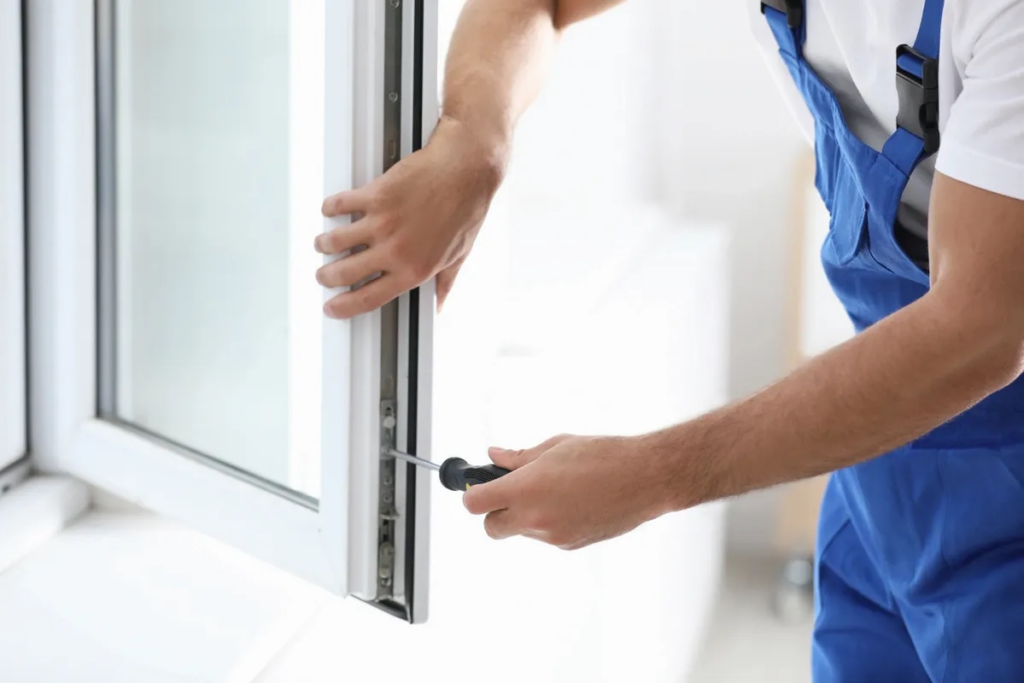
- Damaged insulation can reduce the window's energy efficiency and cause drafts.
Repair Steps:
- Assess the Damage:
- Check the insulation for any gaps or damage.
- Remove Old Insulation:
- Use a putty knife to remove any old or damaged insulation.
- Install New Insulation:
- Apply brand-new insulation tape around the edges of the sash and frame.
- Seal the Edges:
- Use silicone caulk to seal any spaces and ensure a tight fit.
5. Drafts and Air Leaks
Recognizing the Issue:
- Drafts and air leaks can significantly reduce the energy efficiency of your home.
Repair Steps:
- Locate the Drafts:
- Use a candle or incense adhere to determine locations where air is leaking.
- Apply Weather Stripping:
- Install weather condition stripping along the edges of the sash and frame.
- Check Hardware:
- Ensure that all window hardware, such as locks and latches, is working appropriately.
- Seal Gaps:
- Use silicone caulk to seal any spaces that are not attended to by weather condition stripping.
6. Fogged Windows
Determining the Issue:
- Fogged windows take place when the seal between the panes of a double-pane window stops working, allowing moisture to go into.
Repair Steps:
- Assess the Damage:
- Determine if the fogging is extreme and if the window needs to be replaced.
- Drain the Moisture:
- If the fogging is small, utilize a little drill bit to develop a couple of holes at the bottom of the window. This will allow the moisture to get away.
- Seal the Holes:
- Once the wetness has drained, seal the holes with silicone caulk.
- Think about Replacement:
- If the fogging is serious, it might be more cost-effective to replace the whole window glass replacement.
7. Run-down Seals
Determining the Issue:
- Worn out seals can lead to drafts, water leakages, and reduced energy effectiveness.
Repair Steps:
- Remove Old Seals:
- Use an energy knife to carefully remove the old seals.
- Clean the Area:
- Clean the area where the seals were gotten rid of to make sure a clean surface for the brand-new seals.
- Install New Seals:
- Cut the new seals to the proper length and install them in the frame.
- Test for Leaks:
- Run a water test to ensure the brand-new seals are water tight.
Frequently asked questions
Q: Can I repair a damaged vinyl window pane myself?
- A: Yes, you can repair a damaged vinyl window pane yourself with the right tools and materials. Nevertheless, if the damage is substantial or if you are not comfy with the procedure, it is a good idea to employ a professional.
Q: How often should I examine my vinyl windows for leakages?
- A: It is advised to inspect your vinyl windows for leaks a minimum of two times a year, especially before the winter. Routine maintenance can avoid significant issues from establishing.
Q: Can I use regular caulk to seal a vinyl window frame?
- A: Yes, but it is better to use silicone caulk as it is more flexible and adheres better to vinyl surface areas. Regular caulk can break and peel over time.
Q: What is the very best way to clean vinyl window tracks?
- A: Use a vacuum cleaner with a brush attachment to remove dirt and debris. For stubborn dirt, a mixture of water and mild meal soap can be utilized. Prevent utilizing extreme chemicals as they can harm the vinyl.
Q: How do I understand if my vinyl window requires to be replaced?
- A: If your vinyl window is old, often stuck, has considerable damage, or if the energy effectiveness is jeopardized (e.g., fogging, drafts), it might be time to replace it. Consult a professional for an assessment.
Vinyl windows are a trustworthy and effective choice for lots of homes, however they require periodic upkeep and repair to function optimally. By understanding the common concerns and following the step-by-step repair guide supplied, you can extend the life of your vinyl windows and maintain a comfy, energy-efficient home. Routine checks and timely repairs can prevent minor issues from developing into significant problems, ensuring that your windows continue to carry out well for many years to come.
Additional Tips
- Routine Maintenance: Regularly clean your windows and examine for any indications of wear or damage.
- Professional Help: If you experience complex problems or if the repairs surpass your abilities, do not be reluctant to call a professional.
- Energy Efficiency: Consider upgrading to energy-efficient vinyl windows if your existing ones are outdated or inefficient.
By taking proactive steps and being informed about vinyl window repair, you can enjoy the advantages of these windows while minimizing the requirement for pricey replacements.
- 이전글 How Much Can Modular Sofas UK Experts Earn?
- 다음글 Five Ways You Can Get More Free Online Poker While Spending Less
댓글목록 0
등록된 댓글이 없습니다.


