
5 Clarifications Regarding Wall Chaser For Concrete
페이지 정보
작성자 Samira Magallon 작성일 25-12-09 01:08 조회 3 댓글 0본문
Exploring the Wall Chaser for Concrete Work: A Comprehensive Guide
Dealing with concrete requires accuracy and the right tools to guarantee safety and accuracy. One such necessary tool that is acquiring appeal among professionals and DIY lovers alike is the wall chaser. This powerful device is particularly created to cut narrow grooves into walls, making it possible for the setup of electrical conduits, plumbing, or cable wiring. This blog post looks into the ins and outs of wall chasers for concrete, highlighting their features, advantages, how to use them successfully, and responses to frequently asked concerns.
What is a Wall Chaser?
A wall chaser, likewise known as a wall groove cutting machine, is a specialized tool that produces neat, accurate cavities in walls. It utilizes two parallel diamond blades to cut a groove into various materials, including concrete, brick, and masonry. Constructed to deal with tough materials, the wall chaser is a vital resource for contractors looking to achieve professional surfaces in wall adjustment projects.
Secret Features of a Wall Chaser
| Function | Description |
|---|---|
| Blades | Usually includes two parallel diamond blades. |
| Motor Power | Varies from 1200W to 2200W, supplying ample strength. |
| Cutting Depth | Adjustable cutting depth, normally as much as 30mm. |
| Weight | Lightweight models (5kg) and durable designs (10kg). |
| Dust Extraction | Built-in vacuum adapter for minimal dust throughout cutting. |
| Security Features | Guard to prevent debris from triggering damage. |
Benefits of Using a Wall Chaser
Precision Cuts: Unlike conventional tools, wall chasers make sure clean, narrow grooves that decrease the quantity of material needing elimination.
Versatility: Suitable for various products, making it an excellent choice for concrete, brick, and obstruct walls.
Time-Efficiency: Reduces labor time significantly compared to manual chiselling.
Reduced Dust: Many models come geared up with dust extraction, lessening mess and enhancing air quality.
User-Friendly: Designed with ergonomics in mind, making it much easier to work for prolonged durations without considerable fatigue.
How to Use a Wall Chaser Effectively
Utilizing a wall chaser may seem simple, but following a systematic method improves security and efficiency. Here's a detailed guide:
Step 1: Preparation
Step and Mark: Use a measuring tape to figure out the specific area for the groove. Mark the lays out with a pencil.
Collect Tools: Ensure that you have the wall chaser, security goggles, dust mask, and hearing protection.
Step 2: Set Up the Wall Chaser
Change Depth: Determine the needed cutting depth and adjust the blade settings on the tool.
Inspect Blades: Ensure the diamond blades are sharp and effectively aligned.
Step 3: Safety First
- Use Protective Gear: Always wear safety goggles and a dust mask to safeguard against inhalation of dust particles or flying debris.
Step 4: Cutting the Groove
Position the Chaser: Align the wall chaser with the marked line.
Start With Light Pressure: Turn on the machine and begin cutting the groove, using light pressure to let the tool do the work.
Follow the Mark: Maintain a constant hand and follow the significant lines to make sure precision.
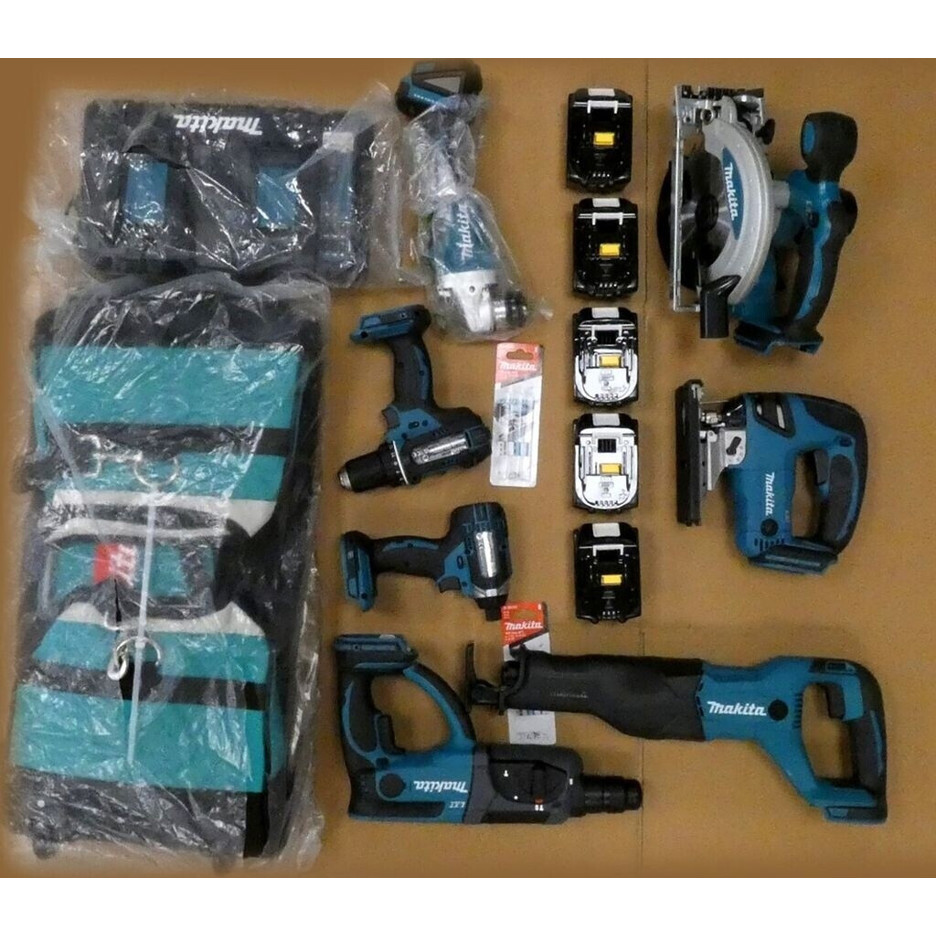
Dust Management: If your model accommodates a vacuum accessory, Tool Combination Set Price guarantee it's functional to gather dust as you cut.
Step 5: Final Touches
Tidy the Area: Once the cutting is done, clean up debris and dust from the workspace.
Inspect the Groove: Ensure the grooves are the proper depth and width for your particular task requirements.
Typical Applications of Wall Chasers
Electrical wiring Installations: Perfect for embedding electrical wires into walls without impacting structural integrity.
Pipes Work: Ideal for producing channels for pipelines in concrete walls.
Cooling And Heating Systems: Facilitates the installation of duct systems that require exact grooves.
Remodellings and Remodeling: Simplifies the procedure of modifying existing structures.
Upkeep Tips for Wall Chasers
Regular Cleaning: Clean the blades and machine to safeguard against dust accumulation.
Examine Blade Condition: Inspect for wear and tear, changing blades as needed.
Shop Properly: Keep in a dry place to avoid rusting or damage to electronic components.
Frequently Asked Questions About Wall Chasers
Q1: Can I use a wall chaser on brick walls?
Yes, wall chasers can be used on brick walls due to their flexible design and effective blades.
Q2: How deep can a wall chaser cut?
Many wall chasers can cut up to 30mm deep, however this differs by design. Always refer to the producer's specifications.
Q3: Are wall chasers appropriate for DIY jobs?
Absolutely! While they are typically used by professionals, DIY enthusiasts can use wall chasers with suitable safety precautions.
Q4: Do I require a dust extraction system when using a wall chaser?
While not compulsory, utilizing a dust extraction system can significantly decrease dust and werkzeug Kombiset preis enhance exposure throughout cutting.
Q5: How do I know if the blades need changing?
If the cuts end up being rough, or if the blades appear used or damaged, it's time to change them.
The wall chaser for concrete work is an important tool that boosts effectiveness and Dickenhobel Mit Absaugung promotes precision in wall modifications. By comprehending its functions, advantages, and appropriate usage, both professionals and DIYers can elevate their concrete working capabilities. Whether you're electrical wiring, pipes, or Dickenhobel Maschine Preisvergleich renovating, purchasing a wall chaser can save effort and time while making sure a polished finish.
- 이전글 Global Truffle Market Price Trends: An In-Depth Analysis
- 다음글 복용 중 음주를 절대 피해야 한다고 강조하는 세 가지 품목과 그 위험성
댓글목록 0
등록된 댓글이 없습니다.


