
9 . What Your Parents Taught You About Espresso Bean Grinder
페이지 정보
작성자 Eden Maxwell 작성일 25-12-10 02:55 조회 2 댓글 0본문
The Ultimate Guide to Espresso Bean Grinders
Coffee enthusiasts know that the quest for the perfect espresso starts long before that rich, dark liquid touches the cup. It starts with the beans and, more notably, how they are ground. An Automatic Espresso Machine With Grinder bean grinder plays a pivotal function in unlocking the flavors and aromas hidden inside each coffee bean. In this thorough guide, we will explore the kinds of espresso mills, their features, how to select the right one, and respond to common concerns to ensure you take pleasure in a perfect shot every time.
The Importance of Grinding Espresso Beans
Espresso Machine For Office extraction is a delicate process that needs accuracy. The grind size straight influences the taste and quality of the espresso shot. Great ground beans increase surface area, enabling faster extraction, while coarse grinds can result in under-extraction. This is why purchasing a top quality espresso bean grinder is essential.
Table 1: Effects of Grind Size on Espresso
| Grind Size | Texture | Extraction Time | Taste Profile |
|---|---|---|---|
| Coarse | Gritty | 25-30 seconds | Sour, under-extracted |
| Medium-Fine | Sand-like | 20-25 seconds | Balanced |
| Great | Powdery | 18-20 seconds | Rich, full-bodied |
| Bonus Fine | Finer than powder | 15-18 seconds | Bitter, over-extracted |
Kinds Of Espresso Grinders
When it comes to espresso mills, 2 main types dominate the market: blade mills and burr mills. Comprehending the difference in between these two types can assist customers make an informed decision.
1. Blade Grinders
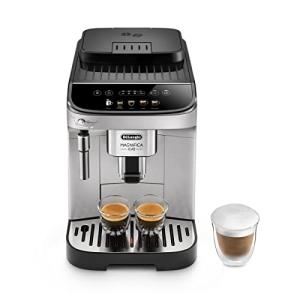
Blade grinders are usually the least expensive option and are simpler to use. They use a blade that spins rapidly to chop the beans. However, they produce inconsistent grinds due to the irregular size of the resulting coffee particles. This inconsistency can substantially impact the quality of the espresso.
Pros:
- Affordable and simple to discover
- Compact and portable
- Quick grinding procedure
Cons:
- Inconsistent grind size
- Can produce heat, impacting taste
- Less ideal for espresso
2. Burr Grinders
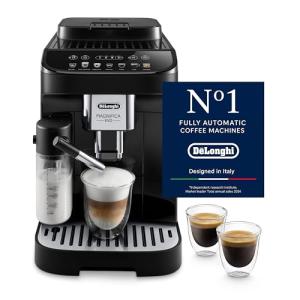
Burr mills are frequently suggested by coffee connoisseurs. They come in two ranges: flat burrs and cone-shaped burrs. Both types provide a consistent grind size, necessary for espresso.
Pros:
- Even grind size, improving flavor extraction
- Readily available in manual and electrical versions
- Adjustable settings for various grind sizes
Cons:
- More pricey than blade mills
- Bigger footprint in the kitchen area
Table 2: Comparison of Blade vs. Burr Grinders
| Feature | Blade Grinder | Burr Grinder |
|---|---|---|
| Consistency | Irregular | Extremely consistent |
| Grind Size Adjustability | No | Yes |
| Heat Generation | Moderate to high | Minimal |
| Price Range | Low | Moderate to high |
| Ideal for | Basic brewing | Espresso and advanced brewing |
Features to Consider When Choosing an Espresso Grinder
When selecting an espresso bean grinder, it's important to consider different factors that dictate its efficiency, convenience, and longevity.
1. Grind Settings
A grinder with numerous grind settings permits flexibility across different coffee designs. A perfect espresso grinder must have at least 15 various grind size choices.
2. Construct Quality
Product quality influences the grinder's sturdiness and efficiency. Stainless steel burrs are a great choice as they are robust and do not rust.
3. Grinding Speed
Higher RPM (revolutions per minute) makes the grinding procedure quicker however can produce more heat. Go for grinders that balance speed and heat generation.
4. Hopper Capacity
Think about how much coffee you typically brew. A bigger hopper can hold more beans, reducing the frequency of refills. Nevertheless, a smaller hopper is more compact and can fit into tighter spaces.
5. Cost
Quality espresso grinders can range from around ₤ 50 for entry-level blade choices to over ₤ 1,000 for high-end burr mills. It's important to make sure that the grinder matches your brewing needs and budget.
Often Asked Questions (FAQ)
What grind size should I use for espresso?
For espresso, a great grind is normally advised. The normal range is around 20 microns, however adjustments can depend upon the coffee variety and your specific Classic Espresso Machine machine.
How often should I grind my espresso beans?
For the best flavor, it is recommended to grind beans right before developing. Newly ground coffee provides exceptional fragrance and taste compared to pre-ground choices.
Can I use a blade grinder for espresso?
While it is possible to utilize a blade grinder, it is not advised for espresso due to the lack of consistent grind size, which can lead to unfavorable taste results.
What is the difference between cone-shaped and flat burr grinders?
Both types deliver a consistent grind size; however, cone-shaped burrs tend to produce less heat and retain fewer premises. Flat burrs can grind quicker but may develop heat, affecting flavor. Cone-shaped burrs are usually preferred for espresso.
Is it worth buying a high-end grinder?
Definitely. A high-quality grinder can significantly boost the espresso experience by supplying consistency and much better extraction, causing a richer and more flavorful shot.
An Espresso Bean Grinder (md.swk-web.com) is more than just a kitchen tool; it is a crucial component in the art of coffee preparation. Comprehending the types of mills, their features, and value can assist anyone from casual drinkers to baristas elevate their espresso video game. Whether investing in a manual burr grinder or a high-end electrical model, focusing on grind quality will undoubtedly offer a much better espresso experience. Delight in every sip-- after all, it all starts with the grind!
댓글목록 0
등록된 댓글이 없습니다.


