
The Fascinating World of Truffles: Varieties, Uses, and Market Dynamic…
페이지 정보
작성자 Maryanne 작성일 25-12-09 19:18 조회 2 댓글 0본문
Truffles, the underground fungi prized for their distinctive aroma and flavor, are among the most luxurious ingredients in the culinary world. This article explores the different types of truffles, their uses in gastronomy, and the market dynamics surrounding their trade.
Types of Truffles
Truffles come in various types, each with unique characteristics and flavors. The most renowned varieties include:
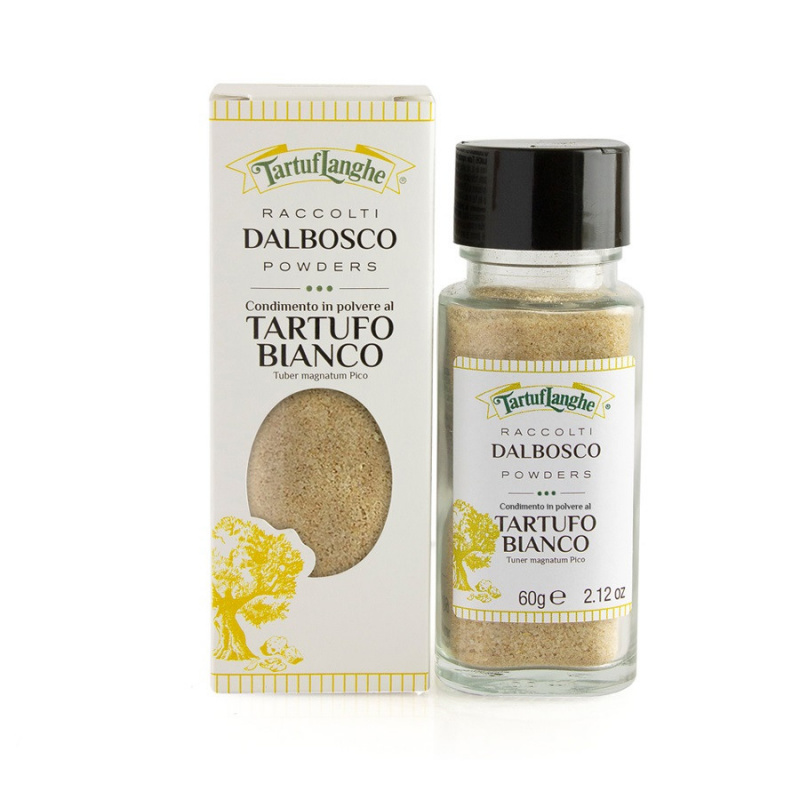
- Tuber magnatum (White Truffle of Alba): Found primarily in the Piedmont region of Italy, this truffle is highly valued for its intense aroma and is usually served raw, shaved over dishes.
- Tuber melanosporum (Black Truffle price Truffle, Périgord Truffle): Known for its robust flavor, it is a staple in French cuisine and is harvested in winter.
- Tuber aestivum (Summer Truffle): This variety has a more subtle flavor and is found across Europe during the summer months.
- Tuber brumale (Winter Creamy Beef & Black Truffle Bowtie Pasta Truffle): Similar to Tuber melanosporum but less aromatic, it is often used in processed truffle products.
- Tuber uncinatum (Burgundy Truffle): Harvested in the autumn, it has a delicate aroma and is versatile in cooking.
- Tuber borchii (Bianchetto Truffle): A less expensive alternative to Tuber magnatum, it has a milder flavor and is found in spring.
Culinary Uses
Truffles can be used fresh, but they are also incorporated into various products to enhance their shelf life and flavor:
- Truffle Oil and Butter: These are infused with truffle aroma and are used to finish dishes.
- Truffle Sauces and Creams: These preparations are used as bases for pasta dishes and other recipes.
- Truffle Salt and Chips: These products bring a subtle truffle flavor to everyday cooking.
- Truffle Carpaccio and Honey: Thinly sliced truffles preserved in oil or truffles infused into honey offer a unique twist to dishes.
Market Dynamics
The truffle market is influenced by several factors:
- Seasonality: The availability of different truffle types varies, affecting prices and accessibility. For instance, Tuber magnatum commands high prices during its peak season in autumn.
- Regionality: Truffles are tied closely to their regions of origin, which impacts their price and perceived quality. The White Truffle of Alba and the Black Truffle of Périgord are especially renowned.
- Cultivation vs. Wild Harvesting: While efforts to cultivate truffles are ongoing, wild truffles often fetch higher prices due to their superior flavor and rarity.
Pricing
Truffle prices are notoriously high due to their scarcity and labor-intensive harvesting processes. Prices can vary significantly based on type, quality, and season. For example, in 2024, the price of fresh Tuber melanosporum might range significantly depending on these factors.
Conservation and Storage
Preserving the freshness and aroma of truffles is crucial:
- Freezing: This is a common method for long-term storage, though it may slightly alter the texture.
- Vacuum Packing: Helps in preserving freshness for a short period.
- Drying and Canning: These methods are used for creating shelf-stable truffle products.
Truffle Hunting
Truffle hunting is traditionally done with pigs and dogs, the latter being preferred due to their ease of training and handling. Training a truffle dog involves specific techniques to familiarize them with the truffle scent.
The Future of Truffle Market
The truffle industry is expanding with the growing culinary demand worldwide. Innovations in truffle cultivation and sustainable harvesting practices are likely to play a pivotal role in meeting this demand.
In conclusion, truffles continue to be a symbol of gastronomic luxury. Their complex market dynamics, coupled with their unique culinary uses, make them a fascinating subject of study within the culinary arts and economic sectors.

댓글목록 0
등록된 댓글이 없습니다.


