
The People Closest To Cot For Baby Share Some Big Secrets
페이지 정보
작성자 Tam Culp 작성일 25-12-09 20:12 조회 2 댓글 0본문
A Comprehensive Guide to Choosing the Right Cot for Your Baby
When it comes to getting ready for a brand-new baby, among the most crucial purchases moms and dads must make is choosing a cot. A baby cot is not just a piece of furniture; it plays a significant role in guaranteeing an infant's security, comfort, and well-being during sleep. With the myriad of options readily available in the market, moms and dads typically find themselves overwhelmed. This blog site post aims to provide you with extensive details about baby cots, covering vital factors to consider, different types of cots, safety standards, and often asked concerns.
Kinds Of Baby Cots
Before diving into how to select the very best Crib for newborn cot for your baby, it's necessary to comprehend the various types of cots offered:
| Type of Cot | Description | Pros | Cons |
|---|---|---|---|
| Requirement Cot | A classic fixed-size baby crib. Normally made of wood or metal, they fit standard crib bed mattress. | Strong and trustworthy. | Can not be adjusted as the baby grows. |
| Convertible Cot | Can be transformed into different sleeping plans (e.g., toddler bed, daybed). | Grows with your kid; long-lasting investment. | Typically more pricey; needs assembly. |
| Travel Cot | Lightweight and portable cot, simple to fold and carry for travel or outdoor usage. | Hassle-free for travel; easy storage. | Less tough; not suitable for long-lasting use. |
| Moses Basket | A portable, basket-like baby crib for newborns, generally made from wicker or material. | Light-weight and comfortable for newborns. | Minimal usage; should shift to a larger cot quickly. |
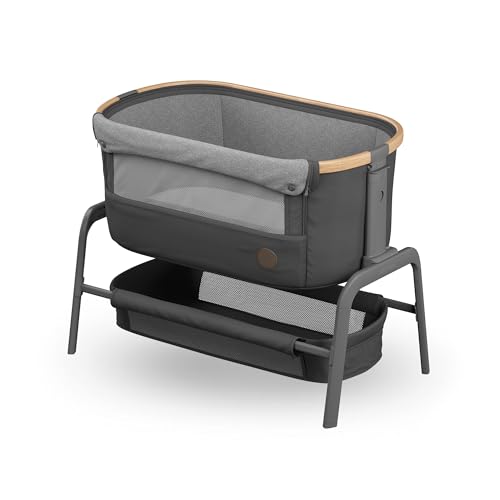
| Co-Sleeper | Attaches to the adult bed, offering security while keeping the baby close for nighttime feedings. | Promotes bonding; easy gain access to during night. | Minimal usage and area restrictions in the bedroom. |
Key Factors to Consider
1. Safety Standards
Security is vital when selecting a cot for a baby. Ensure that the cot complies with the most recent security standards set by regulatory bodies in your nation (such as the Consumer Product Safety Commission in the U.S.). Look for:
- No sharp edges or splinters.
- Secure and durable building and construction.
- The distance between slats ought to not surpass 2.375 inches to avoid the baby's head from getting stuck.
- Ensure that the cot is free from harmful surfaces or paints.
2. Size and Space
Pick a cot that fits easily in your available area while permitting easy motion around it. Furthermore, think about the size of your baby and the length of time you plan to use it. A standard cot generally accommodates babies as much as 3 years or up until they outgrow it. Procedure the measurement of the readily available area in your room or nursery before buying.
3. Adjustable Mattress Height
Search for a cot with an adjustable mattress height. This feature permits you to raise the bed mattress for simple access to your newborn and lower it as your baby grows and starts to stand.
4. Material and Design
Healthy sleeping conditions for babies require the cot to be made from non-toxic products. The majority of cots are made from either wood or metal. Wood is typically preferred for its durability and aesthetic appeal, while metal is often lighter and easier to move. Pick a style that matches your home decor however focus on functionality and security over visual appeals.
5. Relieve of Conversion
If you opt for a convertible cot, check how quickly it transitions into a toddler bed or playpen. Some require extensive assembly or acquiring additional parts. Always check out evaluations to know how hassle-free the conversion process is.
Maintaining Your Baby Cot
Preserving the cot is crucial for guaranteeing safety and health. Here are some tips:
- Regularly examine for loose screws or parts that require tightening.
- Clean the cot frame and mattress with a moderate cleaning agent to avoid allergens.
- Use hypoallergenic mattress covers and clean them weekly.
- Prevent placing heavy blankets or toys in the cot, which might position suffocation dangers.
Often Asked Questions (FAQ)
1. When should I switch my baby to a crib?
The majority of moms and dads shift their baby to a baby crib when the baby reaches 5-6 months; nevertheless, it frequently depends on their advancement and activity levels.
2. How long can a baby sleep in a cot?
Many cots are developed for babies as much as around 3 years old. After this age, transitioning to a toddler bed is suggested.
3. What is the very best bed mattress type for a cot?
A firm, breathable mattress is necessary for infant security and convenience. Avoid soft mattresses or other bedding accessories that posture SIDS dangers.
4. Should I use bed linen in the cot?
For babies up to 12 months, experts advise utilizing just a fitted sheet and preventing blankets, pillows, and packed toys to reduce the risk of suffocation.
5. Can I utilize a second-hand cot?
If you think about a used cot, ensure it fulfills present security standards, has not been remembered, and remains in excellent condition with no damage that could jeopardize security.
Picking the right cot for your baby is an essential job that requires cautious factor to consider of safety, performance, and design. By comprehending the types of cots offered and the vital functions to look out for, moms and dads can make educated decisions to create a safe sleeping environment for their kids. Routine upkeep can further guarantee security and longevity, making a baby cot a worthwhile financial investment for any family.
댓글목록 0
등록된 댓글이 없습니다.


